
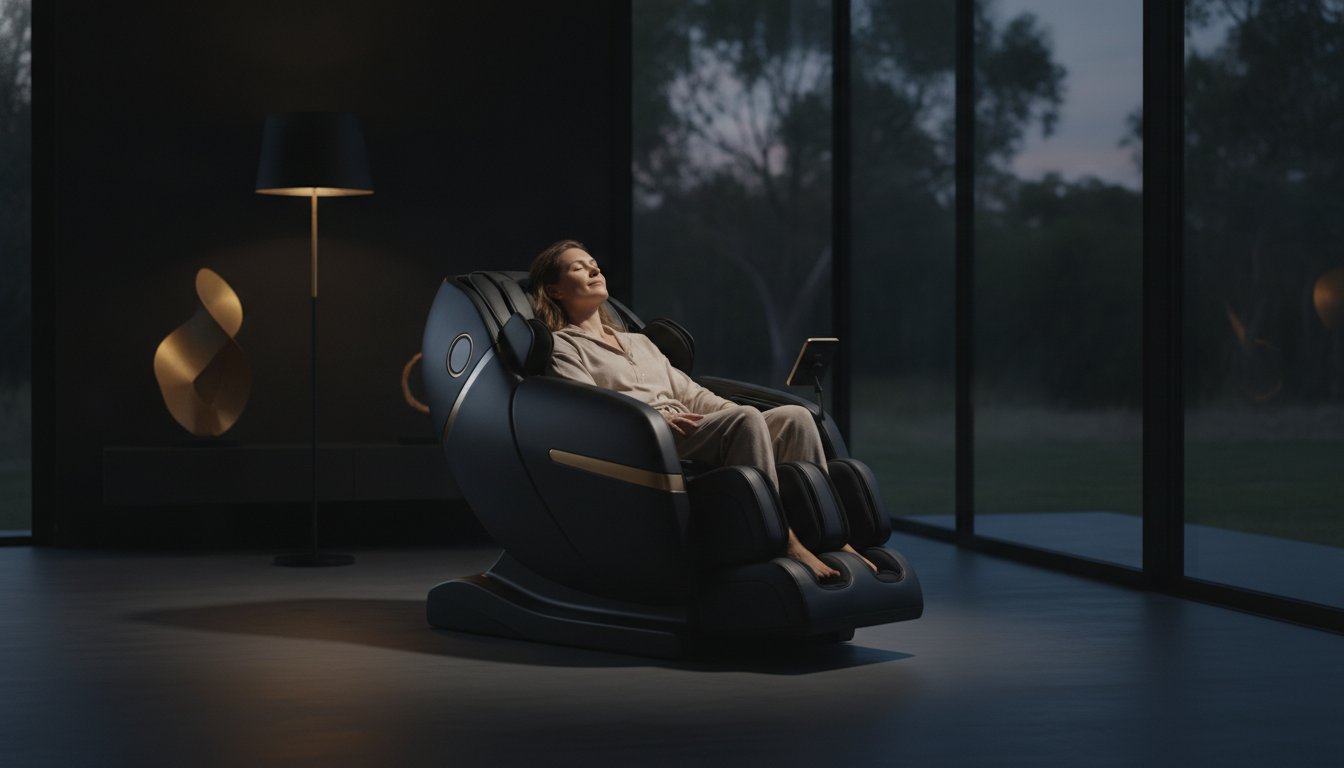
What if your most sophisticated piece of wellness technology is currently acting as little more than a luxury recliner? While many Australians invest in high-end recovery tools to combat the nation's growing burden of back issues, many find themselves intimidated by complex 4D technology or worried about overusing their new investment. It is a common frustration to feel that you aren't quite getting the professional-grade relief you expected. Learning how to use a massage chair effectively is the vital bridge between a simple seat and a life-changing wellness ritual.
You likely chose your chair for its promise of tranquillity and relief, and you deserve to experience every ounce of that restorative power. This guide will help you master the art of home recovery by showing you how to align technological precision with your body's unique needs. We will walk through the essential steps to navigate advanced settings with confidence, establish the perfect daily routine, and ensure you are maximising the therapeutic benefits of every session for total physical restoration.
Key Takeaways
- Organise a dedicated wellness centre in your home to enhance the restorative effects and parasympathetic activation of every session.
- Master the physiological Zero Gravity position to achieve total spinal decompression and ensure your spine is perfectly aligned before the rollers engage.
- Discover how to use a massage chair effectively by remaining still during the initial body scan to allow the 4D technology to customise its depth and rhythm.
- Adopt the "Golden Rule" of 15 to 20 minutes per session to reach the optimal therapeutic window for muscle recovery without overstimulation.
- Complete your wellness ritual with proper hydration and light stretching to support the body's natural restoration after you safely exit the chair.
Preparing for Your Session: Setting the Scene for Optimal Relaxation
Truly understanding how to use a massage chair effectively requires more than just pressing a button; it involves a deliberate harmony between your body's readiness and the machine's mechanical precision. While the history and types of massage chairs have evolved from simple vibratory seats to complex robotic systems, the human element remains the most critical factor in the success of the treatment. To achieve a state of total physical restoration, you must prepare your internal and external environment before the first roller begins its path.
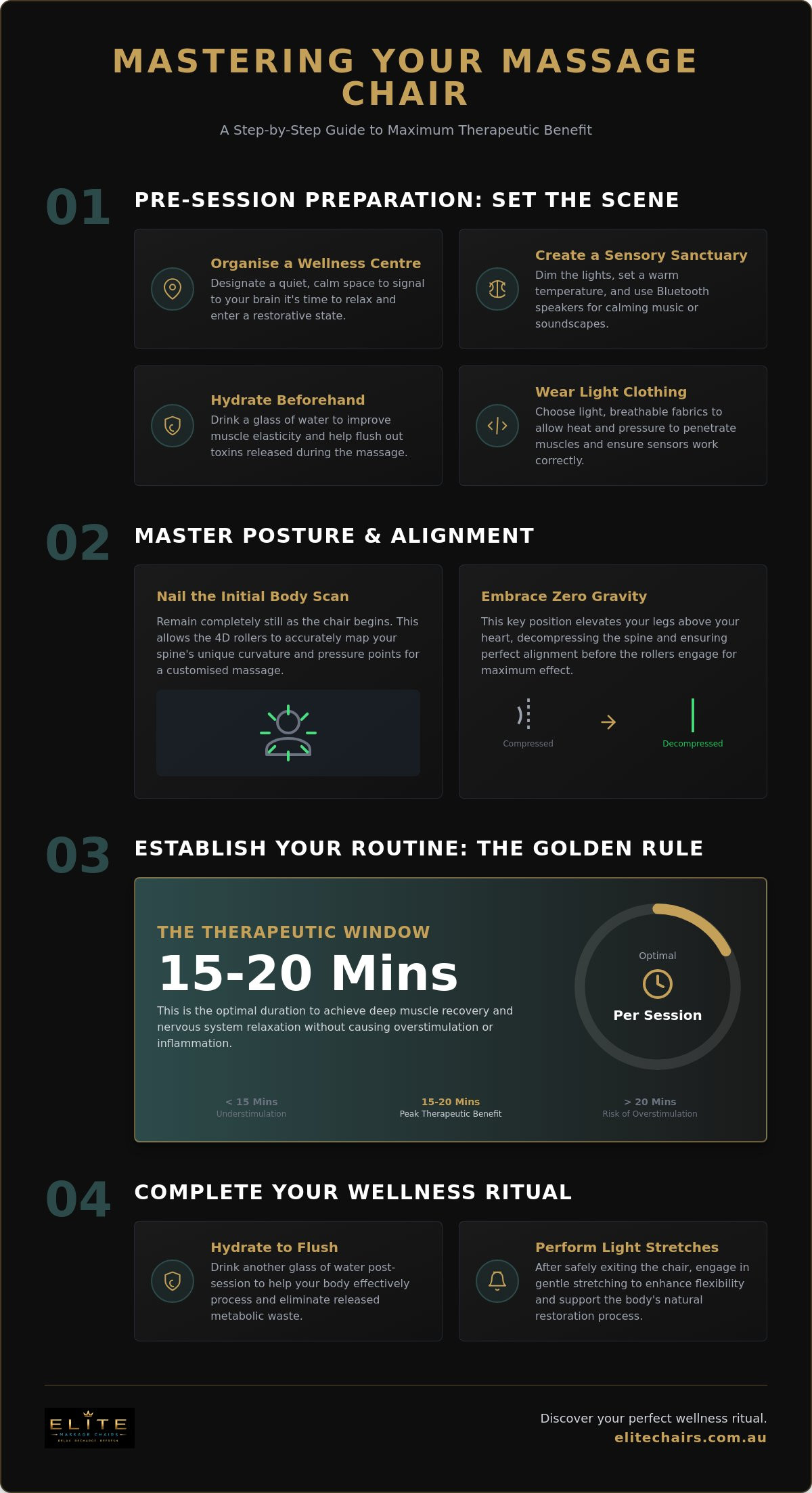
Creating a dedicated wellness nook or a quiet centre in your home is the first step toward deeper restoration. When you designate a specific space for your sessions, you signal to your brain that it's time to shift from the high-stress "fight or flight" mode into a state of parasympathetic activation. This physiological shift is where real healing occurs. To support this transition, choose attire made from light, breathable fabrics. Heavy jumpers or restrictive denim can interfere with the sophisticated sensors that map your body's unique contours, while thinner natural fibres allow the heat and pressure to penetrate deeply into your muscle tissue.
The Importance of Hydration and Timing
Hydration is a vital component of any deep tissue work. Drinking a glass of water before you sit down aids muscle elasticity, making your tissues more pliable and responsive to the rollers. This preparation also assists your body in flushing out the metabolic waste and toxins that are naturally released during a thorough massage. Timing your sessions also plays a significant role in the outcome. A morning session focuses on invigorating the body and increasing circulation for the day ahead, whereas an evening ritual focuses on down-regulating the nervous system for better sleep. Just remember to avoid using your chair immediately after a heavy meal, as the reclining positions and abdominal pressure can disrupt your digestion and cause discomfort.
Creating a Sensory Sanctuary
To truly learn how to use a massage chair effectively, you must control the sensory input around you. Ensure the room temperature is comfortably warm; if you're too cold, your muscles will instinctively tense up, which fights against the work the chair is trying to do. Dim the lights to reduce visual stimulation and help your mind reach a meditative state. Most premium chairs feature built-in Bluetooth speakers, which you should use to curate a personal acoustic therapy session. Whether it's ambient soundscapes or soft classical music, these sounds help block out external distractions like traffic or household noise. By minimising these interruptions, you allow yourself to fully inhabit the experience, turning a simple mechanical process into a profound wellness ritual.
Mastering the Art of Posture: Zero Gravity and Body Alignment
Your posture is the foundation upon which every therapeutic benefit is built. If you aren't seated correctly, even the most advanced 4D rollers will struggle to map your anatomy with the precision required for deep tissue relief. Learning how to use a massage chair effectively begins with how you position yourself before the power button is even pressed. You must ensure your tailbone is tucked firmly into the backrest, allowing the rollers to track the natural curvature of your spine from the cervical region down to the glutes. When your neck and shoulders are flush against the sensors, the initial scan can accurately identify your pressure points, ensuring the mechanical hands hit exactly where you need it most.
Finding the "Sweet Spot" is a personal journey of discovery. It is that precise balance where the rollers feel firm and purposeful, yet never cross the line into sharp pain. If you find yourself tensing your muscles or bracing against the chair, the intensity is too high. True restoration occurs when you can fully surrender your weight to the upholstery. To understand the physical sensations of these settings, you might consider visiting a massage chair showroom demo to find the exact model that matches your body's unique requirements.
Finding Your Neutral Body Posture
Achieving a neutral state requires a methodical approach to how you settle into the chair. Start by placing your feet firmly into the footrests; this allows the sensors to detect your leg length and adjust the ottoman accordingly. Next, ensure your head is resting naturally against the pillow rather than straining forward to look at a remote or phone. Finally, relax your arms into the side compressors. This specific placement is designed to facilitate lymphatic drainage and reduce swelling in the extremities, a key component of research on massage therapy benefits regarding circulation and recovery.
The Science of Zero Gravity Elevation
The Zero Gravity position is perhaps the most transformative feature of modern wellness technology. By reclining the chair so your knees are elevated slightly above the heart, you significantly reduce the cardiac load and allow your heart to work more efficiently. This posture, which you can explore further in our guide on The Science of Zero Gravity: How it Heals the Body, creates a sensation of weightlessness. This state is particularly effective for lower back pain relief, as it allows for gentle spinal decompression by removing the constant pressure of gravity from your vertebrae. When you combine this elevation with the chair's mechanical precision, you create the ultimate environment for physical and mental restoration.
Navigating Advanced Technology: Customising Your Relief
Learning how to use a massage chair effectively requires a basic grasp of the advanced engineering that drives your experience. Modern wellness technology is designed to be intuitive, yet many users overlook the most critical phase: the initial body scan. This process is the digital "handshake" between you and the machine. During the first 30 seconds of any programme, the chair uses optical sensors to map your height, shoulder width, and the exact curvature of your spine. It is vital that you remain perfectly still during this window. Any shifting or leaning forward can result in the rollers missing your primary tension points, leading to a session that feels slightly off-centre or ineffective.
Once the scan is complete, you have the power to curate a session that mirrors a professional therapist's touch. Most premium models allow you to choose between distinct mechanical techniques. Shiatsu focuses on deep, stationary pressure to release stubborn trigger points, while Kneading uses circular motions to improve muscle elasticity and blood flow. Tapping provides a rhythmic, percussive sensation that is ideal for invigorating the body after a long day. Integrating heat therapy is a cornerstone of knowing how to use a massage chair effectively in your daily life. By activating the lumbar or calf heating elements five minutes before you begin deep kneading, you pre-warm the muscle fibres, making them significantly more receptive to the rollers' movements.
Maximising Body Scan Accuracy
To ensure the L-track hits your glutes and hamstrings with precision, your height and shoulder width must be captured accurately. If the rollers feel like they are hitting the back of your skull or stopping too high on your neck, use the manual adjustment buttons on your remote immediately after the scan. A slight correction of just one or two centimetres can be the difference between a generic massage and a bespoke wellness experience. Consistent seating is key; always ensure your lower back is pressed firmly against the upholstery before starting the programme.
Fine-Tuning 3D and 4D Intensity
Understanding the distinction between 3D and 4D mechanisms is essential for managing chronic pain. While 3D rollers allow you to control the depth of the massage, 4D technology introduces a human-like variable speed and rhythm. This means the rollers can slow down as they press into a knot and speed up during a transition, mimicking the intuitive touch of a human hand. These settings are particularly beneficial when using a therapeutic massage chair to target deep-seated knots. Start with a lower intensity to allow your body to adjust, then gradually increase the depth as your muscles begin to soften and release their tension.
Building a Sustainable Routine: Frequency and Duration
Establishing a long-term wellness ritual is about finding the perfect rhythm for your lifestyle. While the temptation to spend hours in your new chair is understandable, learning how to use a massage chair effectively means respecting the "Golden Rule" of recovery. For most users, the optimal therapeutic window is between 15 and 20 minutes per session. This duration allows the rollers to address muscle knots without causing overstimulation or tissue fatigue. If you are just beginning your journey, start with three sessions a week to allow your body to adapt. Seasoned users can eventually move toward daily sessions, provided they honour the feedback their body provides.
Over-massaging is a common mistake that can lead to muscle inflammation or a "bruised" sensation. This happens when the mechanical pressure exceeds the tissue's ability to recover, essentially causing minor trauma rather than relief. Effective use is a collaborative process where you act as the guide, adjusting the intensity to match your current state of physical readiness. You should feel revitalised after a session, not exhausted or sore.
Why Less is Often More
There is a sound physiological reason why muscles need a "cool down" period. When rollers manipulate your soft tissue, they stimulate blood flow and release metabolic by-products. Your body needs time to process these changes. If you extend a session beyond 30 or 60 minutes, the brain's relaxation response can actually reverse, leading to a state of heightened alertness or physical agitation. Finding the sweet spot between relief and over-stimulation is the key to a sustainable routine.
Identifying Your Body’s Feedback
Distinguishing between "good pain" and "bad pain" is a skill that develops with time. Good pain usually feels like a productive release of tension, often described as a "satisfying ache" that signals the muscle is softening. Conversely, bad pain is sharp, electric, or nauseating. If you feel any signs of nerve impingement or excessive pressure on your bones, stop the session immediately. You should also adjust the air compression intensity to ensure it provides a firm hug rather than a painful squeeze. To find a model with the most intuitive feedback controls, you can explore our range of Zero Gravity massage chairs to see which features align with your recovery goals.
Post-Massage Care and Longevity: Protecting Your Investment
The final phase of your wellness ritual begins the moment the rollers stop moving. Understanding how to use a massage chair effectively involves managing the transition back to movement just as carefully as the session itself. Your chair is a sophisticated wellness asset, and its longevity depends on how you treat the technology after the power is turned off. Once the programme concludes, remain seated for a moment while the chair returns to its upright position. Attempting to exit while the mechanism is still resetting can strain the internal motors and disrupt your state of tranquillity.
After you stand, prioritise hydration immediately. As we discussed earlier, deep tissue work releases metabolic waste from your muscles, and drinking water is the most efficient way to support your body's natural filtration process. This simple act of aftercare ensures the physical restoration you achieved in the chair isn't lost to dehydration or muscle stiffness. By treating your chair with respect and following a consistent post-massage protocol, you ensure that every session remains as precise and effective as the first.
The Importance of Aftercare
A five-minute light walk around your home is one of the best ways to re-engage your core muscles after a deep recline. This gentle movement helps your body recalibrate its sense of balance and prevents the "heavy" feeling that sometimes follows a deep relaxation session. You might also find that using a foam roller on any remaining stubborn areas can supplement the chair's work beautifully. Remember that sleep is the ultimate finisher for any recovery ritual. Getting a high-quality night's rest helps "lock in" the neuromuscular benefits, allowing your brain and body to fully process the relief provided by the 4D technology.
Routine Maintenance for Your Sanctuary
To keep the sensors and rollers performing with clinical accuracy, you must maintain the chair's surfaces. Wipe down the synthetic leather regularly with a soft, damp cloth to prevent the buildup of salts and oils from skin contact, which can degrade the material over time. If you have a smart chair, check for software updates periodically to ensure you are using the latest massage algorithms developed by engineers. If you need to replace a headrest pad or want to enhance your nook, you can buy massage accessories online to keep your setup in peak condition. Consistently learning how to use a massage chair effectively includes these small acts of maintenance, ensuring your sanctuary remains a reliable source of relief for years to come.
Elevate Your Home Wellness Ritual
Mastering how to use a massage chair effectively is the final step in transforming a premium piece of technology into a vital pillar of your health-conscious lifestyle. By prioritising precise body alignment, embracing the nuances of 4D customisation, and respecting the therapeutic limits of your routine, you unlock a level of restoration that was once reserved for professional clinics. These expert techniques ensure that every minute spent in your chair contributes to long-term physical relief and mental clarity.
If you're ready to experience this transformation firsthand, our wellness consultants are here to guide you through the process. Book a free demonstration at our showroom to master your technique and try our Zero Gravity range in person. We provide expert guidance tailored to your specific recovery needs, with flexible Humm financing available to make your investment in well-being even more accessible. We look forward to helping you curate your own sanctuary of tranquillity and restoration.
Frequently Asked Questions
Is it safe to use a massage chair every single day?
Yes, it is perfectly safe to use your chair daily provided you respect the recommended 15 to 20-minute therapeutic window. A daily ritual helps manage the cumulative effects of modern stress and maintains muscle suppleness. However, exceeding these time limits can lead to overstimulation of the nervous system and muscle fatigue, so consistency is always better than duration.
Can I use a massage chair if I have a pre-existing back injury or sciatica?
You must consult your GP or specialist before using a chair for disc injuries, severe osteoporosis, or acute sciatica. While these tools provide exceptional relief for general tension, they aren't medical devices and shouldn't replace a professional treatment plan. Your healthcare provider can advise on which specific programmes will best support your recovery without aggravating existing conditions.
Why does my back feel slightly sore after using the chair for the first time?
Mild soreness after your first few sessions is a normal physiological response often called a "massage hangover." It is similar to the delayed onset muscle soreness you feel after a new workout, as the rollers are manipulating tissues that may have been dormant. This sensation typically resolves within a day as your body realises the benefits of the increased circulation and toxin release.
What is the best time of day to use a massage chair for sleep improvement?
The best time to use your chair for sleep enhancement is roughly 60 to 90 minutes before you plan to go to bed. This timing allows your heart rate to settle and your body temperature to return to normal after using the heat functions. A gentle, low-intensity programme during this window helps signal to your brain that it is time to enter a restorative state.
Should I use the heat function every time I have a massage?
Integrating the heat function into every session is generally beneficial as it increases blood flow and makes muscle fibres more pliable. It is particularly useful during the cooler Australian months or for those with chronic stiffness. You should only skip the heat if you have an acute injury with active inflammation or if you have a medical condition that makes you sensitive to temperature.
How do I know if the rollers are too deep or if it is just a deep-tissue release?
Learning how to use a massage chair effectively involves listening for the difference between productive discomfort and harmful pain. A deep-tissue release should feel like a satisfying, dull ache that you can breathe through easily. If the sensation is sharp, electric, or causes you to brace your muscles, the rollers are too deep and you should reduce the intensity immediately.
Is it okay for the elderly to use high-intensity 4D settings?
High-intensity 4D settings are often very well-suited for elderly users because the technology is more fluid and less mechanical than budget models. However, it is essential to start on the lowest intensity level to ensure the pressure is comfortable. The variable speed of 4D rollers can actually provide a gentler, more human-like touch that is ideal for sensitive joints and thinner skin.
Can I use a massage chair while pregnant?
You should always seek advice from your obstetrician or GP before using a massage chair while pregnant. While many women find relief for leg swelling and upper back tension, the intense pressure on the lower back and the use of lumbar heat are often discouraged during certain trimesters. A professional medical opinion ensures that your relaxation ritual remains safe for both you and your baby.


